
 Department for the Aging311Search all NYC.gov websites


Service Needs Assessment

To plan and advocate for New York City’s growing population of older adults, NYC Aging surveyed older New Yorkers and their caregivers to better understand their needs. The first results have been published in The State of Older New Yorkers: Building An Age-Inclusive Future.
The Service Needs Assessment (SNA) was conducted from May through September 2024. Outreach and data collection plans were developed to reach a broad range of the population, beyond individuals who were already connected to NYC Aging’s network of services.
The survey accounted for the diversity of the older adult population to better identify service gaps, support program development, and ensure the public understands their needs.
The survey was developed by NYC Aging’s Bureau of Planning & Strategic Initiatives, with guidance from programmatic staff, senior leadership, and external stakeholders. Individuals could complete the survey if they lived in New York City and were at least 60 years old or were caring for someone 60 years or older who lived in the five boroughs.
To make the survey more accessible, and to help capture the diverse number of older New Yorkers, it was available in 11 languages. There were 8,600 older adults and caregivers who completed the survey, with 78.5% of them answering the questions online and another 21.5% answering them on paper. After initial analysis, researchers identified financial insecurity, affordable and accessible housing, social isolation and mental health, and caregiver services as some of the primary needs among New Yorkers aged 60 years over.
Key Findings
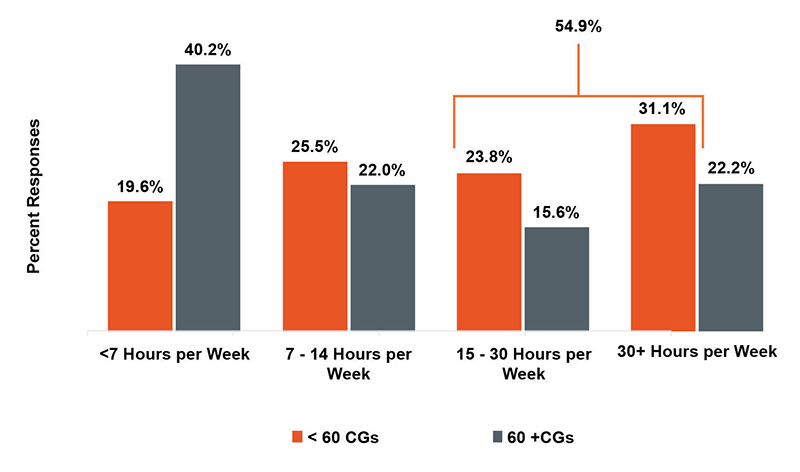
The survey revealed a unique burden on younger caregivers (those younger than 60 years old) who are frequently caring for both an older adult and a minor child. The results show the vast majority of younger caregivers (86%) are employed full-time, close to 55% of caregivers under 60 spend at least 15 hours a week caregiving.
Additionally, approximately 40% of older adult caregivers (those 60 years of age and older) indicated that they are also care receivers, meaning that they are receiving assistance with certain day-to-day tasks while also providing care to somebody else.
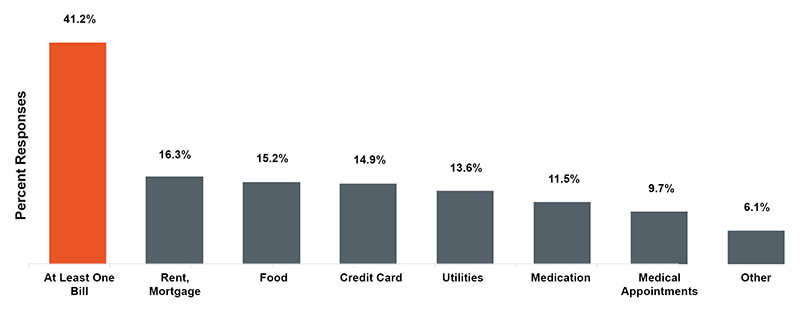
Over 40% of older adults reported trouble paying at least one regular bill. Additionally, approximately 30% of older adults reported difficulty or an outright inability to purchase affordable, healthy food in their communities, largely due to the cost of healthy food.
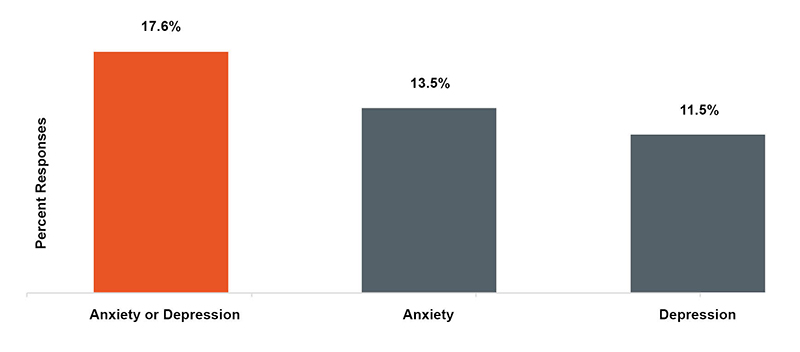
Approximately 22% of older adults indicated that they are not socializing with others as often as they would like, and 17% of older adults reported relatively high levels of loneliness. Further, nearly 18% of older adults were found to have possible anxiety and/or depression.
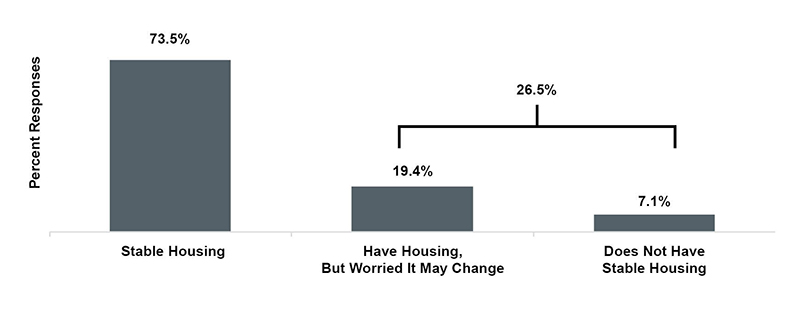
More than one in four older adults indicated that they do not have stable housing, either because they are worried that they will lose their housing in the future or because they truly lack housing. Additionally, over 30% of older adults reported at least one factor impacting their ability to access or use some of the rooms or spaces in their homes.
Read The Reports
In a series of reports, NYC Aging will outline the results from the SNA. The first report, The State of Older New Yorkers, is an overview of the key findings, including sociodemographic characteristics, overall findings concerning quality of life, health and ageism, caregiving, use of technology, and knowledge of aging services.
Early findings and associated implications are listed within the reports. However, these should be used to initiate discussions with stakeholders, other agencies (including those in the Cabinet for Older New Yorkers), and community partners.
Download the Report: